Inside the studio
Easy or hard situation puzzles: which one for your group?
Illustration: The Carrot in the Meadow
A riddle isn’t hard because the table is slow, or easy because the table is sharp. Difficulty belongs to the story: how many steps sit between the statement and what really happened. It has nothing to do with how dark the story is, either. A grim scene can fall open in one question, and a harmless-looking one can eat the whole evening. Here is what the stars on a Post Mortem riddle measure, what they don’t, and how to pick the right one for the people sitting down tonight.
In this article
What our stars measure
Every story we write gets one to three stars, and one rule decides how many: the length of the chain of inferences between the statement and the solution.
- One star: one clean reframe. A single assumption everyone makes without noticing falls away, and the whole scene makes sense at once. A table might get there in ten questions or in forty, but there is only one step to climb.
- Two stars: a short chain. You need to find two or three facts and connect them. Each discovery points to the next question.
- Three stars: a whole backstory, rebuilt stage by stage. The statement shows the last frame of a sequence of events, and the table has to work back through every one of them.
A house scale
These stars are our own calibration. A book or website that calls a puzzle “hard” may mean something else entirely. With us, one more star means one more link to find, and nothing else.
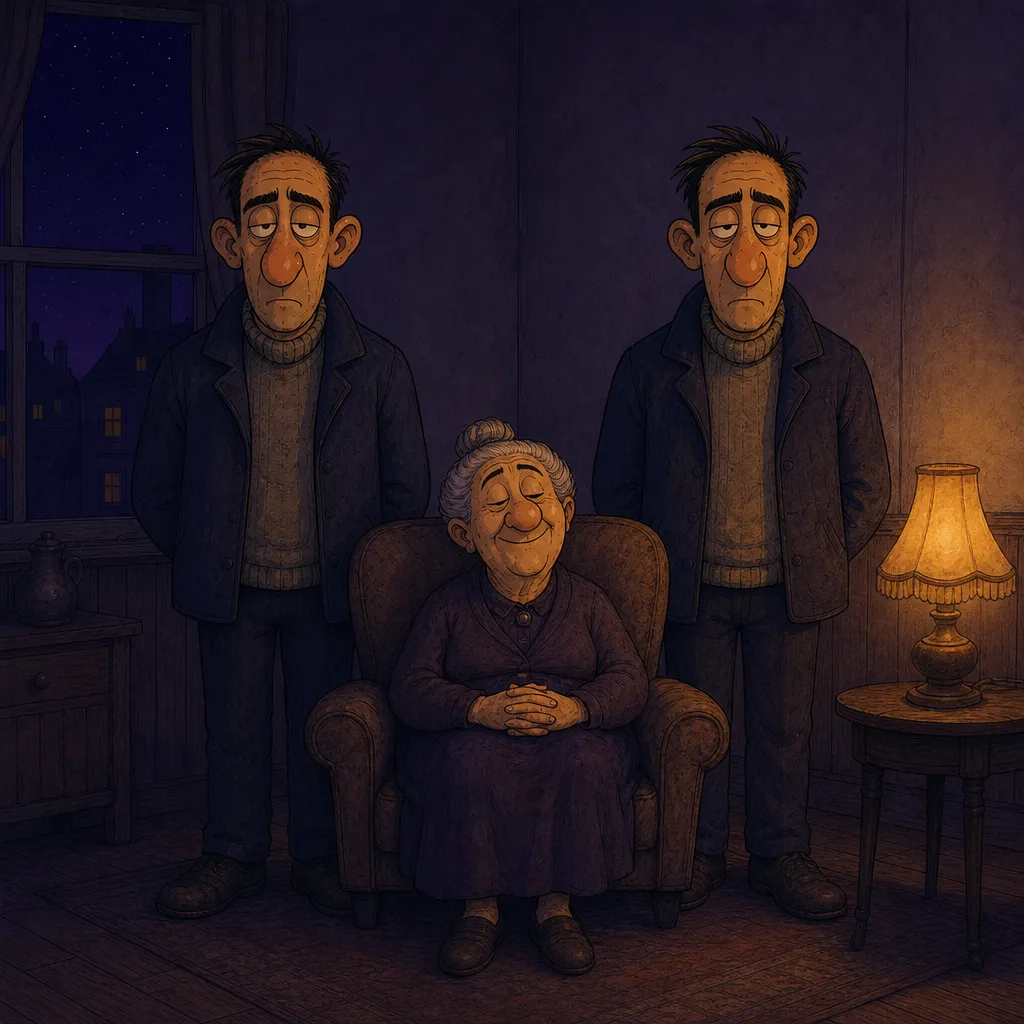
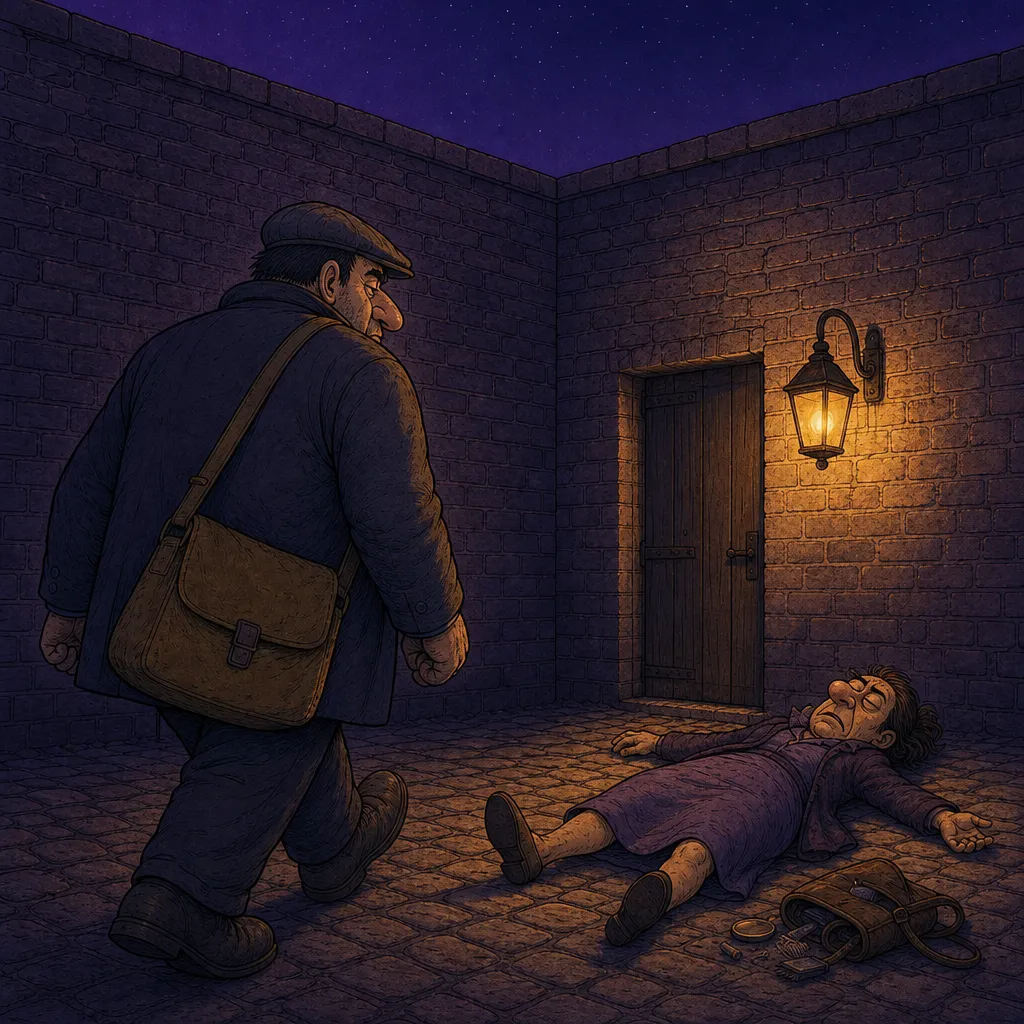
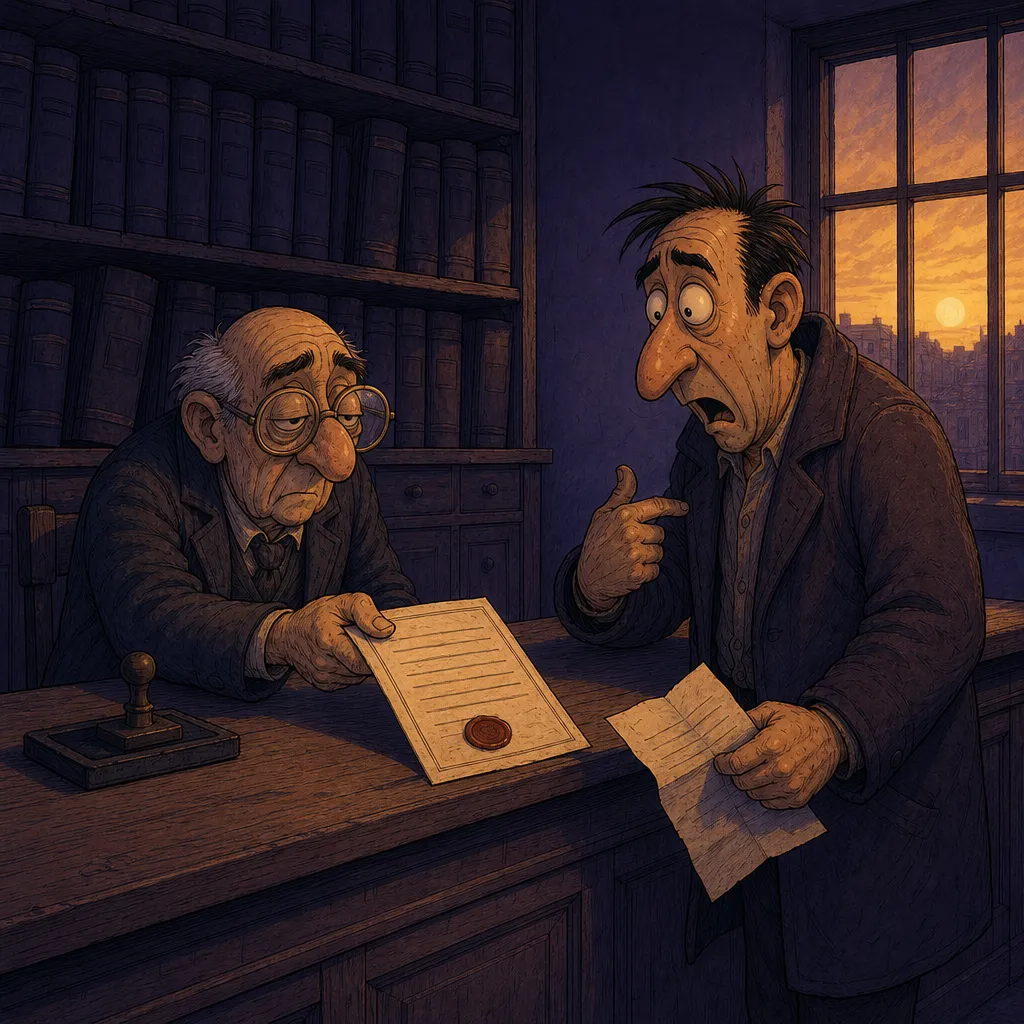
For a sense of scale, the three riddles at the bottom of this page run from one star to three. Read “Born Together, Not Twins”, then “Dead on Paper”: one odd fact on one side, several on the other, and every one of them has to fit. You can feel the gap before anyone asks a thing.
What the stars don’t measure
Tone. One star doesn’t mean gentle. Some of our darkest stories come apart with a single reframe, and a three-star riddle can open on a letter from the bank. If part of the table isn’t in the mood for a death tonight, the statement will tell you. The stars won’t.
Setting. An everyday scene is no easier than one from another century. Everyday life has its own trap: you think you know how it works, so you fill in the gaps without noticing.
Outside knowledge. Our stories don’t call for it, whatever the rating. A three-star riddle asks for more questions, not a degree.
On this site
Sizing up a statement
A host can size up a riddle from the statement alone, without touching the solution. It often tells you more than the stars do, because it tells you how the game will play. Three things to look at.
- How many odd details. Count the things that don’t sit right. One strange fact needs one explanation. Three details that all have to find their place means three threads to hold at once.
- How firmly the scene pushes one reading. The harder the statement sells a place, a role or the everyday meaning of a word, the longer the table will cling to it. A statement that looks obvious is rarely the quick one.
- How many people are in it. Every character opens a run of questions: who they are, what they knew, what they wanted. A scene with one person narrows fast. A scene with four sprawls.
Picking for your table
The right riddle depends less on how clever the players are than on where you are in the evening.
- First game. For beginners, start on one star, even with quick people. The first riddle is where everyone learns the game: closed questions, what “irrelevant” means, when to tell the whole story. A clean click after twenty minutes makes people want another. An hour of noes makes them reach for a different box.
- A mixed table. Regulars and newcomers, family, coworkers: go for a gentle scene, one or two stars, with few characters. The regulars show how questioning works and the others pick up the rhythm. If younger players are joining, read the statement before you choose. You know your table better than a label does.
- A sharp group. Save three stars for once the group has warmed up, after one or two shorter stories. And don’t run two back to back. A long reconstruction is tiring, and the next story plays better with a single step.
When someone has heard it before
The best-known classic lateral thinking puzzles have been passed around for a long time, usually with the answer printed right underneath. At a table of six, there is often someone who already knows “The Man in the Elevator” or “Albatross Soup”.
A story you remember can’t be played again. Geeky Hobbies’ review of black stories says it bluntly: once you play through all the cards, the game loses almost all of its replay value. The same review suggests that anyone who knows a story should sit that round out. Our rules offer them the narrator’s seat instead, and the hosting guide covers what to do when that seat is already taken.
If the whole table knows the canon, go somewhere else in the library. “The great classics” puts the famous stories next to ones you’re less likely to have heard. “Modern lives” is all original, built from jobs, screens and paperwork. “The telling detail” plays differently: someone notices one small thing, and you have to work out why it changes everything.
On this site
Sources
Choosing from the library
The free riddle library is built for this. At the top sit a search over titles and statements, the collections as chips, a difficulty filter (easy, medium, hard) and a sort with “Easiest first” and “Hardest first”.
Every card shows the scene, the collection, the stars, the title and the full statement. Never the answer, so you can scroll the whole page without spoiling a thing. A good way to choose as a group: read three statements aloud and let the table vote. The solution stays in the app.
On this site
In the app
The same stars sit on every riddle tile in the app. Playing alone, you put your questions to the narrator, who answers yes, no or irrelevant.
It doesn’t go easier on a three-star story. It answers the question you asked, from the story, the same way whatever the rating. What changes is the length of the road. If a three-star riddle has you stuck, go back to the statement and find the detail nothing explains yet.