Albatross Soup is often the first situation puzzle people hear. A man orders soup in a seaside restaurant, tastes one spoonful, asks the waiter a single question, and kills himself. The scene is easy to picture, and nothing in it explains what he did. If that story stayed with you, here are more that work the same way. This page gives you the scenes and where to read them, never their answers.
In this article
What makes a riddle feel like Albatross Soup
Three things, and gore is not one of them. The scene is short and ordinary: a meal, a ride in a lift, a letter in the post. Then someone reacts out of all proportion to what just happened, and the statement stops there, on a plain “why?”.
The third is fairness. Every word of the statement is true, nothing important hides in a play on words, and the answer can be reached one closed question at a time. A riddle that needs a fact nobody could have asked for is nothing like Albatross Soup, however dark it is.
On this site
From the old lists
Albatross Soup belongs to a family of stories people swapped long before there were apps. Jed’s List, a list of situation puzzles last updated in July 1999, opens on the same restaurant scene, with abalone in place of albatross, and counts “albatross stories” among the genre’s names. It also carries older versions of these five classics, each of which has its own page in our library:
- The Man in the Elevator: he lives on the 12th floor, but unless it rains or someone else is in the elevator, he gets out at the 8th and takes the stairs.
- The Empty Barn: a man hanging from a beam in a barn with nothing to climb on, a puddle of water beneath his feet.
- The Match in the Desert: a naked man dead in the middle of the desert, a burnt match in his hand.
- The Carrot in the Meadow: a carrot, a handful of pebbles and a scarf, lying together in the grass.
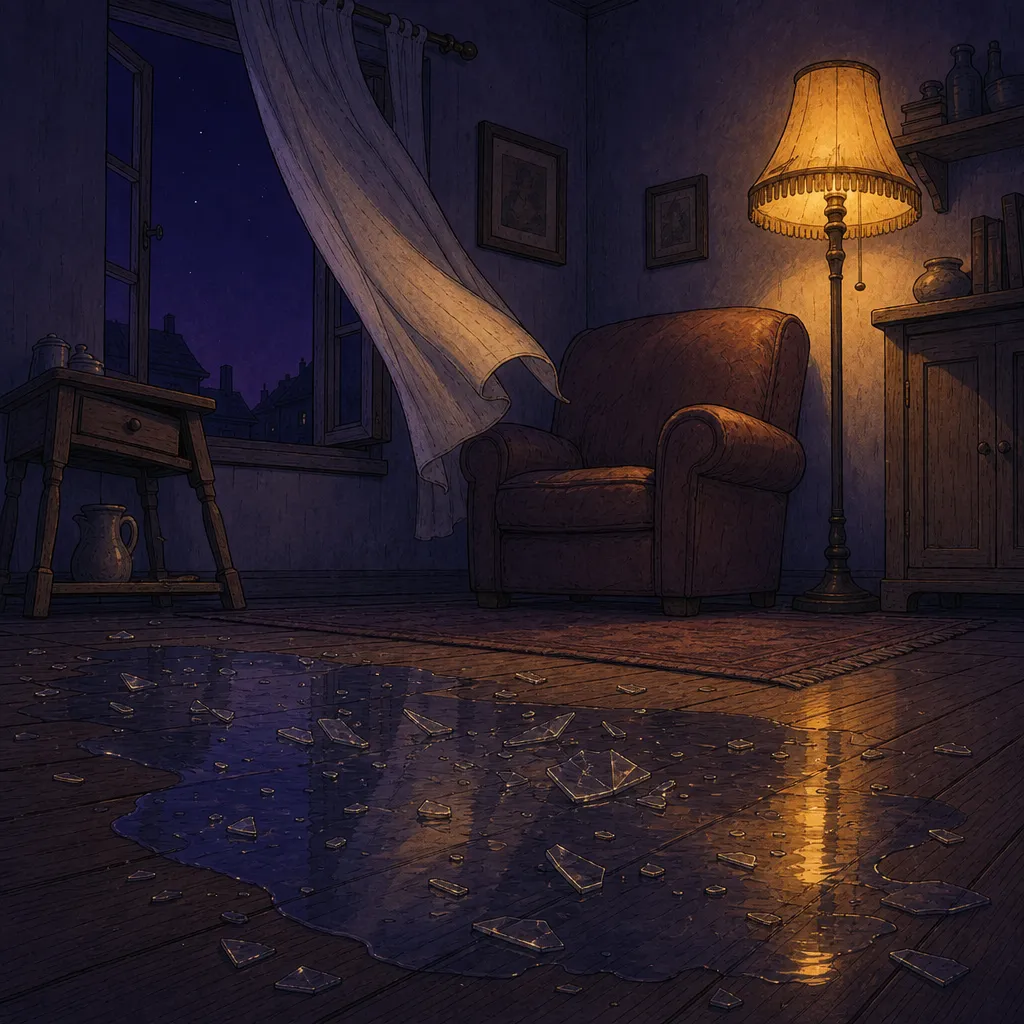
- Romeo and Juliet: both dead on the living-room floor, among shards of glass and a puddle of water.
On this site
Sources
From our other collections
Beyond the classics, these scenes from our other collections follow the same pattern: an everyday moment, then a reaction nobody around could explain. All of them are free to read on this site.
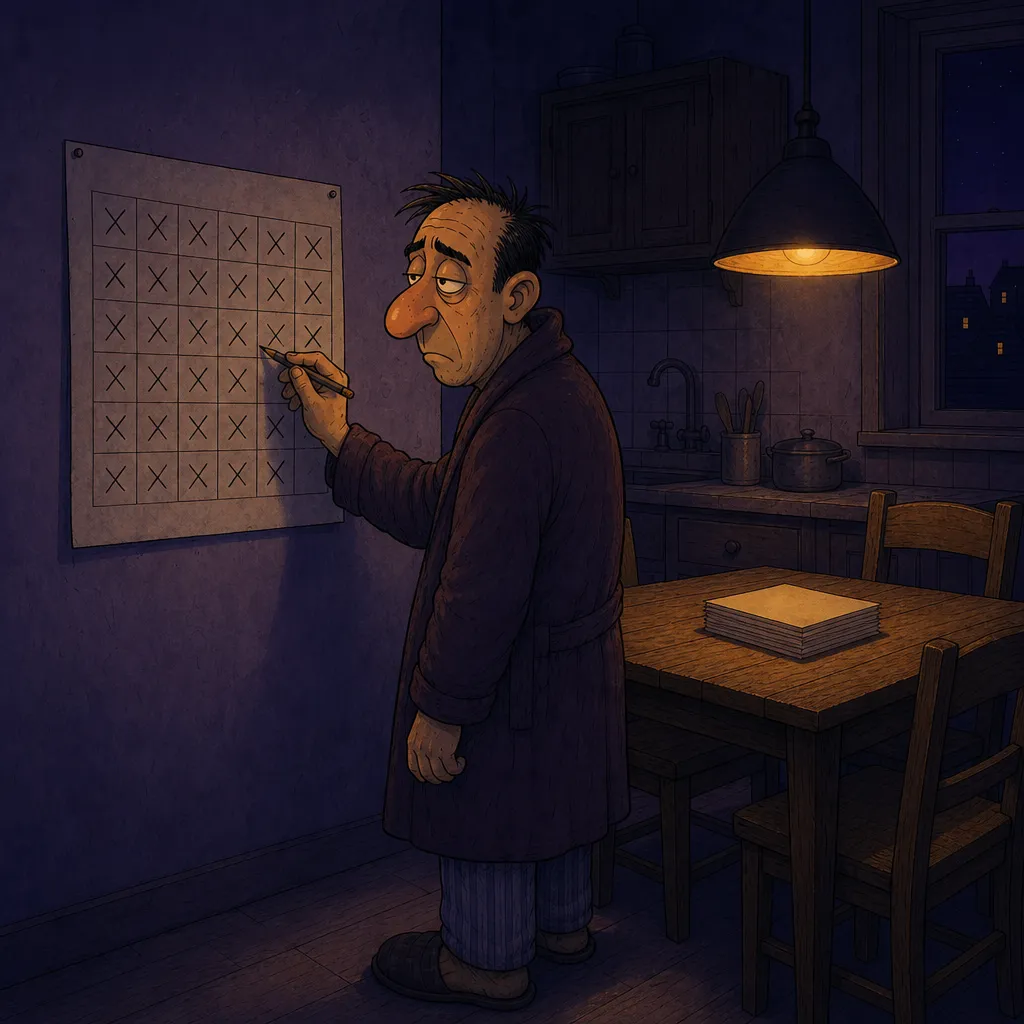
- The Last Box: for a year, a man has crossed off one box every evening on his kitchen calendar. Tonight he crosses off the one he was waiting for, lays his papers out on the table and takes his own life.
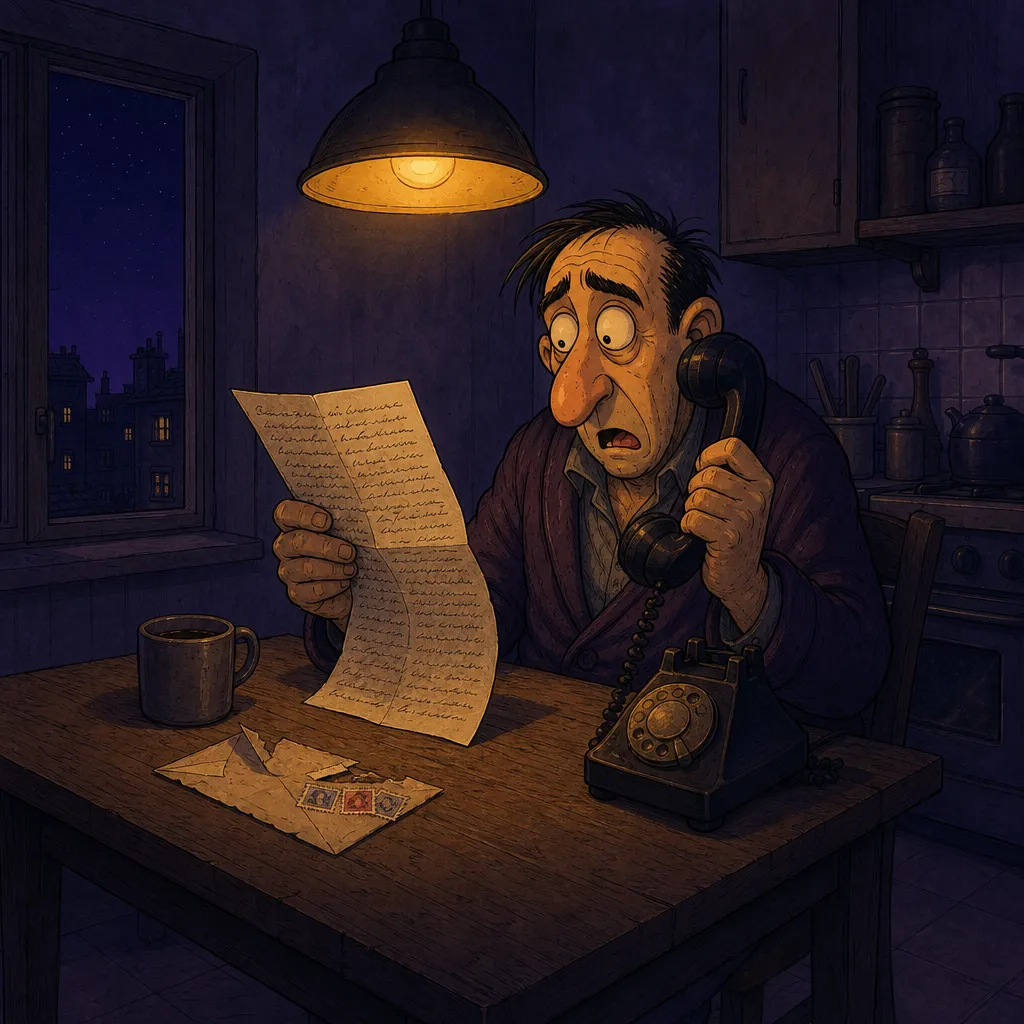
- A Letter from Abroad: a long, warm letter from a brother travelling with his girlfriend. The man reads it once and reports a murder.
- Lunchtime, as Usual: the usual driver, at the usual time, on his mother’s video doorbell. The man calls an ambulance at once.
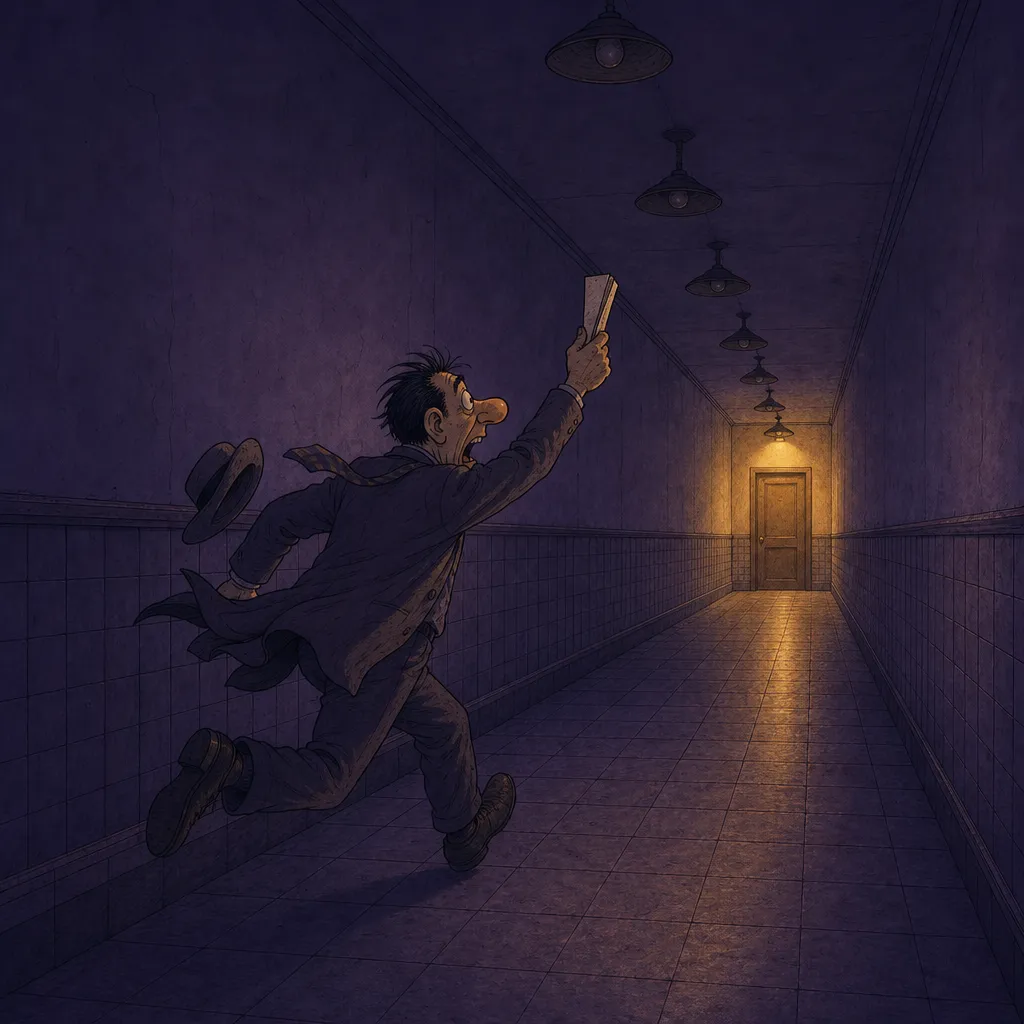
- No Hurry Now: a man runs down a long corridor, a signed paper in his hand. The lights dim for a moment, and he stops running.
- Never a Day Off: the owner gives two weeks by the sea to a secretary who has never taken a day off. On the fourth day, he calls the police.
How to play them
One person reads the solution in private and becomes the narrator. Everyone else asks questions that can be answered yes, no or irrelevant, one at a time, until the table can tell the whole story. For these riddles the solution is in the app, never on the site.
Start from the strangest detail and test the obvious explanation first: a no there is worth as much as a yes. When a theory takes shape, split it into small questions instead of asking it whole.
Playing alone
Albatross Soup is usually told across a table, but you don’t need one. In the Post Mortem app, on iOS and Android, the narrator answers your questions, so you can work through these scenes on your own and read each solution once you have solved it.
On this site